Why generate your own power?
There are a few good reasons to generate your own electricity instead of running a grid connection. A lot of people assume solar is purely an environmental decision. That was true for most early adopters, but as panel prices dropped and the technology became easier to get, more people started going solar for economic reasons.
Some common scenarios:
- No utility line to the property
- A line-extension quote you can't justify
- A camp running on a generator
- You want off-the-grid entirely
How we got started
The economics are what got me into it.
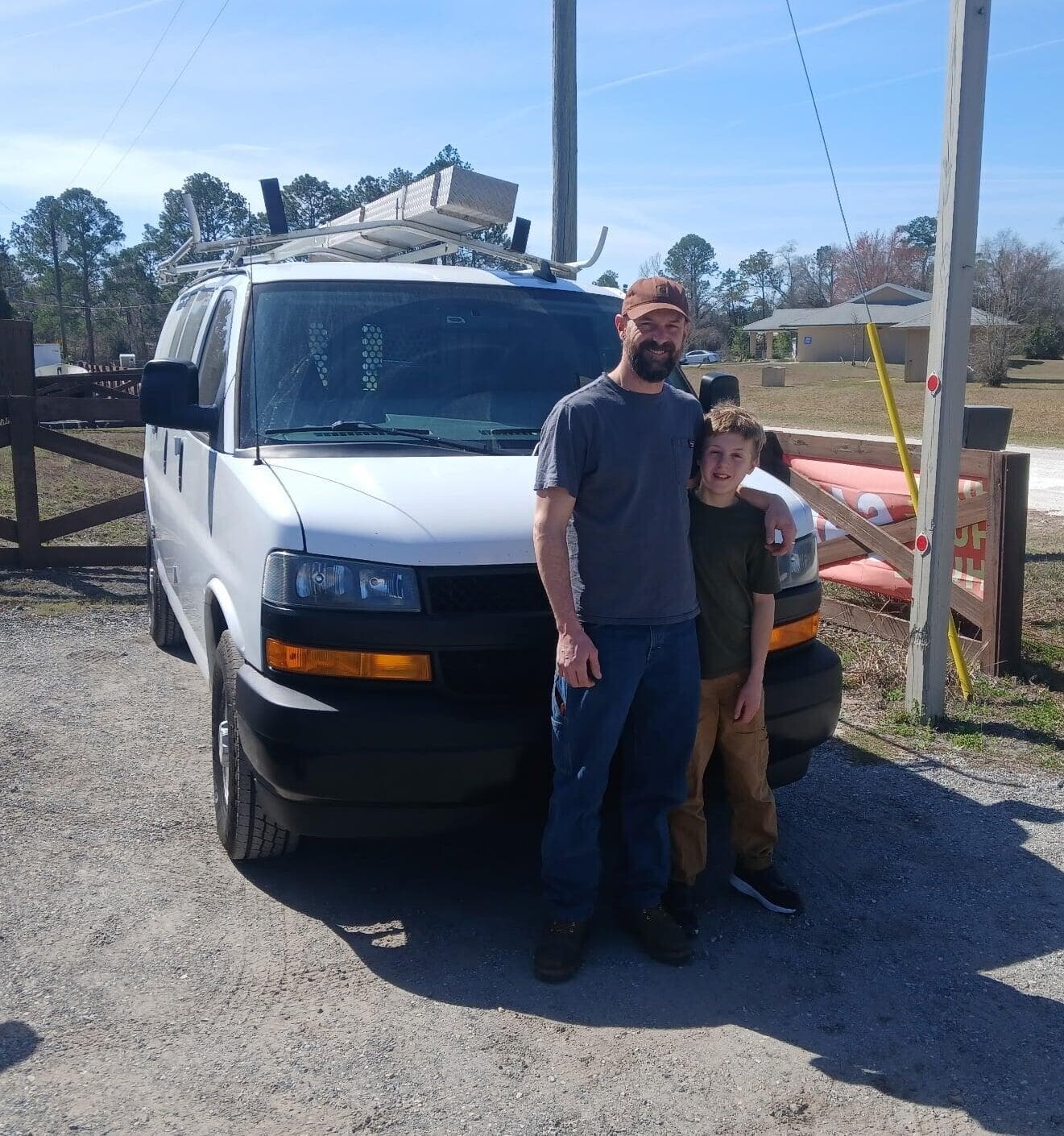
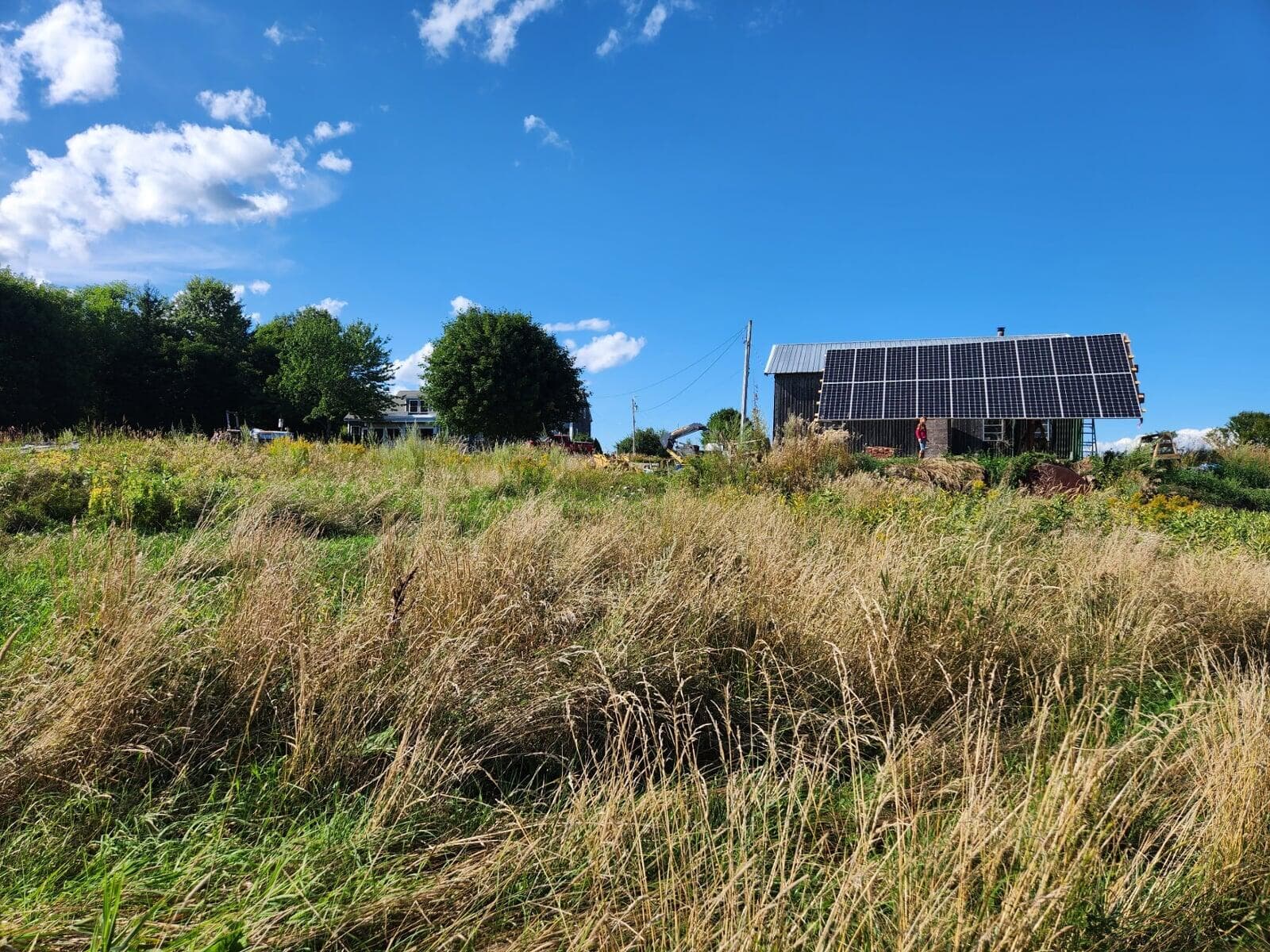
My wife, our six kids, and I bought a property in central Maine and built our home the rugged Maine way — cleared the land, and put the house up ourselves with a lot of help from friends in our community. When we got a quote to bring utility power out to the site, the number just wasn't feasible. So we started looking at alternatives.
I'm a master electrician, so off-grid power fit right in with the do-it-yourself theme of the whole project. In our case, we could build a PV (solar) system for less than it would have cost to run power to the property — and as a bonus, we no longer have a monthly electric bill.
That's one scenario, and I'm not trying to convince the world that solar is the answer to every problem. But I'm convinced it was the right call for us.
Types of off-grid systems
Now that you know where I'm coming from, here's a breakdown of the different types of off-grid systems and how they work, so you can decide whether one of them fits your situation.
I'm focusing on off-grid systems here to keep this from running too long. There are good options for grid-connected solar as well — reach out if you have questions about those.
BASIC
SIMPLE
COMMON
WHOLE HOME
An off-grid setup consists of these components:
- Solar panels, no explanation needed here.
- Battery bank, Series of batteries connected together to store power for when you are not generating power. These generally com in 12, 24 or 48v set ups
- Solar charge controller, this takes the power from the solar panels and charges your batteries. Depending on your solar panels they could be putting out anywhere from 12v to 500v
- Inverter, it converts the battery banks voltage to the voltage you plan on using for 99% of us the is 120/240v but there are other options for just running a pump for example.
- Battery charger, this is for charging your batteries with a generator, with the short days we have in Maine winters this is a good thing to have if it’s a full time residency, if going in a hunting cabin or something that you don’t plan to spend the winter in this could be optional.
- Generator back up, it’s what it sounds like but when paired with a PV system it can be much smaller as it doesn’t need to power everything just supplement charging the batteries. Often a 1⁄4 the size you would normally need with a normal electrical system.
Common Questions
About Ripley Power Systems' Off-Grid Solar Power Installation